


Jun 11, 2026 7:24 PM
Updated Jun 15, 2026 9:28 AM
Urban transport is changing rapidly as cities become busier, congestion worsens, and people look for faster, more affordable ways to get […]
This article was originally published by FTT Team on financial tech times.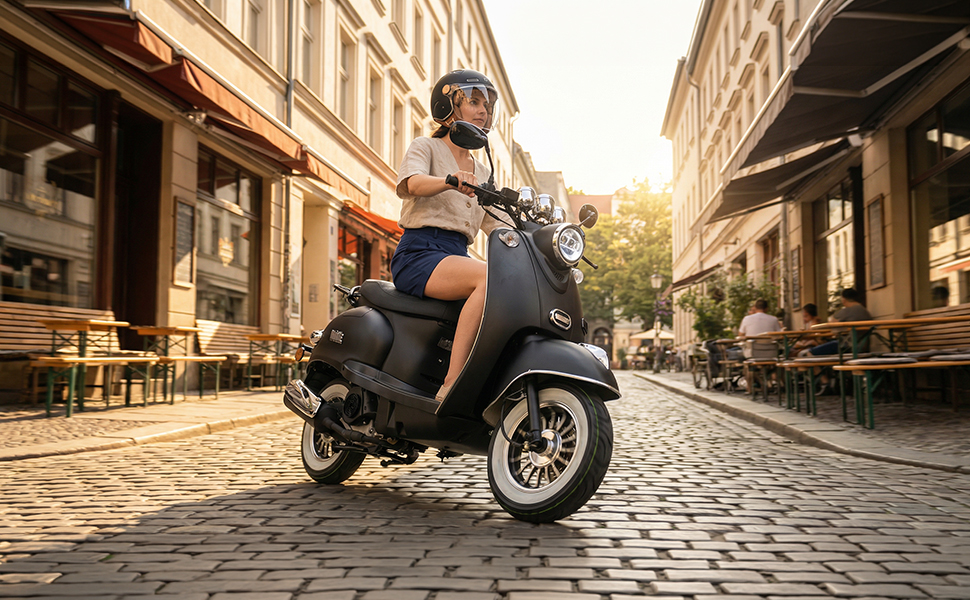 Why Mopeds Are Becoming Increasingly Popular in Cities
Urban transport is changing rapidly as cities become busier, congestion worsens, and people look for faster, more affordable ways to get around. Among the biggest beneficiaries of this shift are mopeds. Once seen as a niche option, mopeds are now becoming a common sight in many urban centers across the UK and beyond. Their rise is being driven by a combination of practicality, cost savings, environmental concerns, and changing attitudes towards city travel.
A Practical Solution for Congested Streets
One of the main reasons mopeds are growing in popularity is simple: traffic. In many cities, peak-time congestion can turn even short journeys into long, frustrating commutes. Mopeds offer a way to bypass much of this problem.
The compact size of a moped allows riders to filter through traffic more easily than cars, and they require far less road space overall. This makes them particularly effective in densely populated urban areas where road infrastructure is already under pressure. For commuters who are tired of sitting in gridlock, mopeds offer a faster and more predictable alternative.
Parking is another major advantage. Finding a parking space in city centers can be time-consuming and expensive, especially for cars. Mopeds, by contrast, can often be parked in designated motorcycle bays or small spaces that would otherwise go unused. This convenience is a major factor in their increasing appeal.
Lower Running Costs Compared to Cars
Cost is another key driver behind the rise of mopeds. Owning and running a car in a city can be expensive once you factor in fuel, insurance, congestion charges, parking fees, maintenance, and road tax. Mopeds, on the other hand, are significantly cheaper to run.
Fuel efficiency is one of their strongest advantages. Many mopeds can travel impressive distances on a small amount of fuel, making them ideal for daily commuting or short delivery routes. Maintenance costs are also generally lower than for cars or larger motorcycles.
Insurance is another area where savings can be made, and moped insurance is typically far more affordable than standard car cover, particularly for younger or new riders. With the cost of living continuing to rise, more people are actively seeking ways to reduce everyday transport expenses, and mopeds offer a straightforward way to do this without sacrificing mobility.
The Rise of Gig Economy and Delivery Work
The growth of app-based delivery services has played a significant role in boosting moped usage. Food delivery drivers, courier services, and gig economy workers often rely on mopeds because they are fast, efficient, and inexpensive to maintain.
In cities where delivery demand is high, mopeds provide an ideal balance between speed and practicality. Riders can navigate traffic quickly and complete more jobs in less time compared to cars or bicycles. This has made mopeds a popular choice for people looking to earn a flexible income.
As online food ordering and same-day delivery services continue to expand, demand for efficient urban transport solutions like mopeds is expected to remain strong.
Environmental Considerations and Low Emissions
Environmental awareness is another factor influencing transport choices. While mopeds are not zero-emission vehicles in their traditional petrol form, they generally produce less pollution than cars due to smaller engines and higher fuel efficiency.
This makes them an appealing option for those who want to reduce their environmental impact without switching to fully electric transport. In some cities, low-emission zones and congestion charges also encourage the use of smaller, more efficient vehicles.
At the same time, the rise of electric mopeds is accelerating this trend further. Electric models produce no tailpipe emissions and are becoming more common in urban fleets and private ownership. As charging infrastructure improves, electric mopeds are likely to become even more attractive for city riders.
Easier Access and Simpler Licensing
Compared to cars, mopeds are relatively easy to access. In the UK, many riders start with a basic license, and smaller machines such as a 50cc moped are often the entry point for new urban riders. This lowers the barrier to entry, particularly for younger riders or those who do not want to invest in full driving lessons.
This accessibility makes mopeds a practical first step into motorized transport. They offer independence without the cost and complexity associated with car ownership. For students, new workers, and urban residents who only need short-distance travel, mopeds provide a convenient solution.
Changing Attitudes Towards Urban Mobility
There has also been a cultural shift in how people view transport in cities. Car ownership is no longer seen as essential in many urban areas, especially where public transport, cycling, and micro-mobility options are widely available.
Mopeds fit neatly into this evolving landscape. They offer a middle ground between bicycles and cars, providing speed and convenience without the bulk and expense of a car. As more people prioritize flexibility over ownership, mopeds are becoming part of a broader movement towards more efficient urban travel.
Ideal for Short and Medium-Distance Journeys
Most urban journeys are relatively short, often under five miles. Mopeds are perfectly suited to this type of travel. They warm up quickly, are easy to maneuver, and provide enough speed to keep up with city traffic.
For commuters who travel the same route daily, mopeds can significantly reduce travel time compared to public transport or cars. They also offer more control over departure times and routes, which is particularly valuable in cities where delays are common.
The Impact of Technology and Modern Design
Modern mopeds are also benefiting from improved design and technology. Today’s models are more reliable, safer, and more comfortable than older versions. Features such as better braking systems, fuel injection, digital displays, and improved suspension have all contributed to their growing appeal.
Electric mopeds, in particular, are helping to reshape perceptions. Quiet operation, low maintenance, and simple charging make them especially suitable for city environments. As technology continues to improve, mopeds are likely to become even more efficient and user-friendly.
A Growing Trend in Urban Transport
The increasing popularity of mopeds in cities is not just a passing trend. It reflects deeper changes in how people live, work, and move around urban environments. Rising congestion, economic pressures, environmental concerns, and evolving transport preferences are all contributing to their growth.
While they may not replace cars entirely, mopeds are becoming an essential part of the urban transport mix. For many city residents, they offer a practical, affordable, and efficient way to navigate busy streets and get from A to B with minimal hassle.
As cities continue to evolve, mopeds are likely to play an even greater role in shaping the future of urban mobility.
Comments

Powered by RoundtableBuilt on infrastructure designed for real-time media. Learn more at RTB.io.© Roundtable 2026. By using this site you agree to the Terms of Use and Privacy Policy